Dental Emergency Plano TX Aftercare Tips for a Faster Recovery
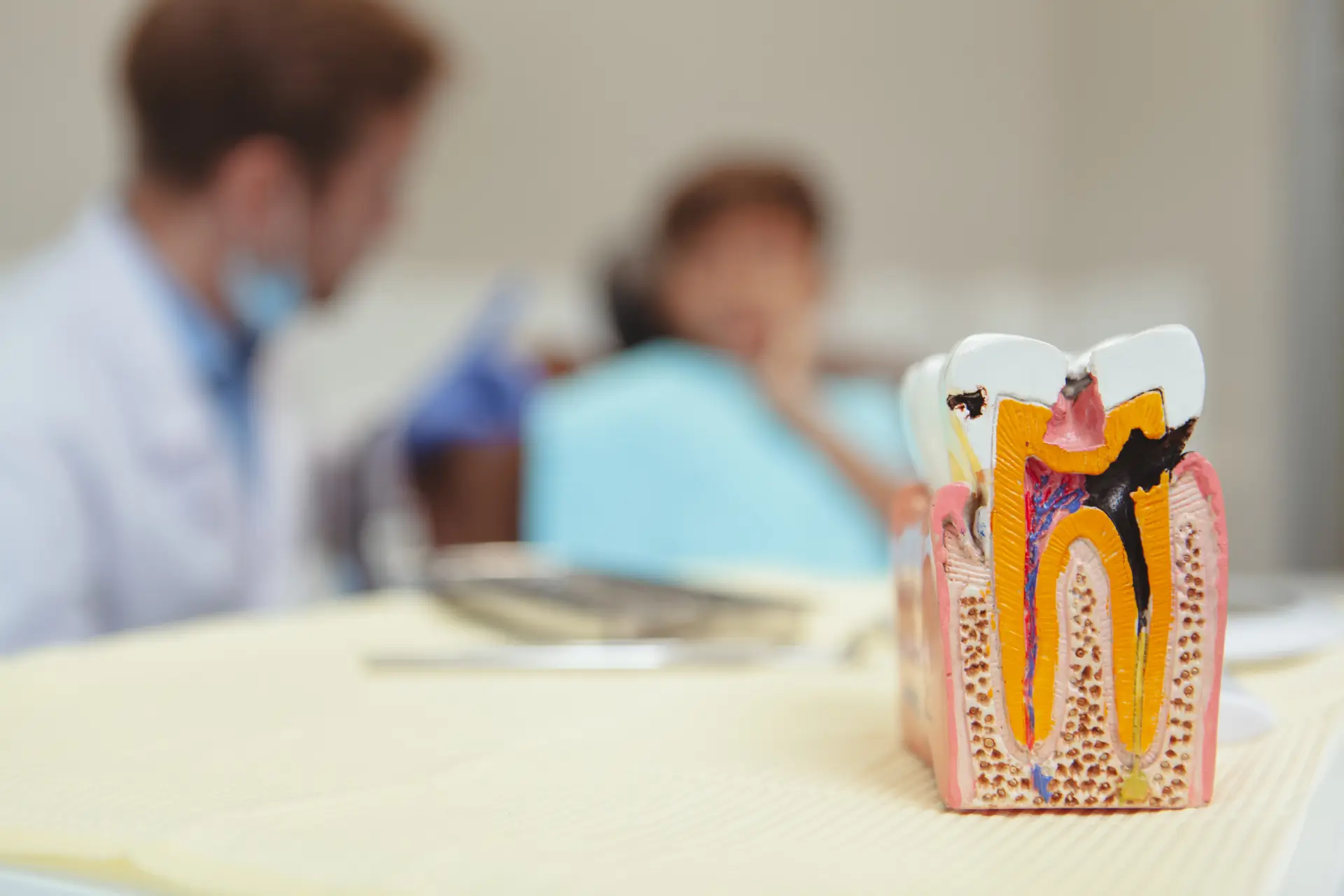
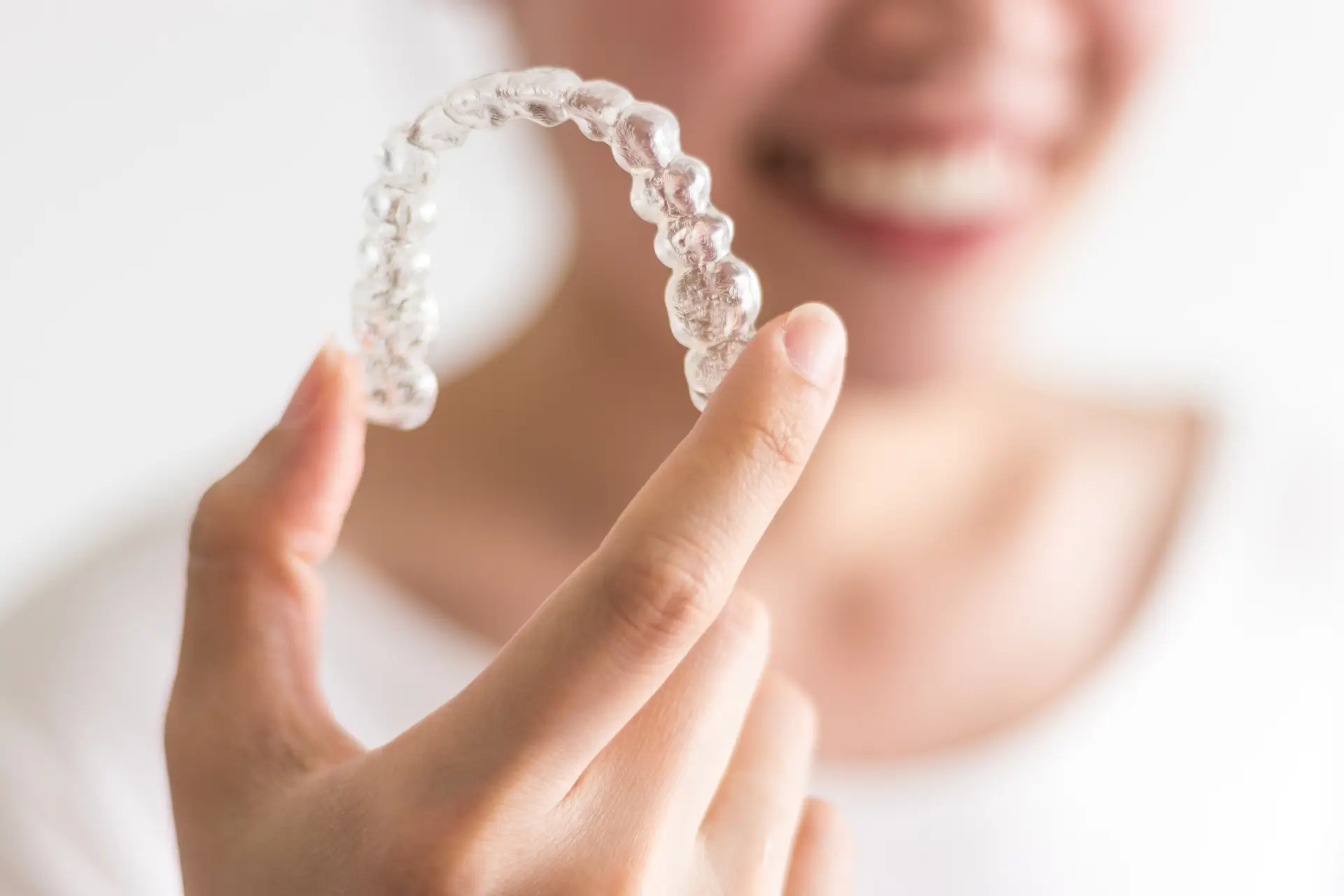
A dental emergency rarely ends when you leave the office. In many cases, that is when recovery actually begins. Whether you were treated for a knocked-out tooth, severe tooth pain, a cracked crown, an abscess, or an extraction tied to trauma, what you do in the next few hours and days has a direct effect on pain, swelling, healing time, and the odds of avoiding another urgent visit.
Patients often expect the procedure itself to do all the heavy lifting. It helps, of course, but aftercare carries real weight. A repaired tooth can fail if you chew on it too soon. A blood clot can dislodge if you rinse too aggressively. An infection can flare back up if antibiotics are taken inconsistently. In a busy area like Plano, where people are often trying to get back to work, school drop-offs, practice, and meetings by the next day, the temptation is to treat a dental emergency like a quick pit stop. That is usually a mistake.
If you recently needed a Dental Emergency Plano TX visit, think of the next 72 hours as part of the treatment, not an afterthought. Good aftercare is simple in theory, but the details matter.
The first few hours set the tone
The first window after emergency treatment is when patients make the biggest gains or the biggest setbacks. Tissue is still irritated, local anesthesia may still be wearing off, and your mouth is more vulnerable than usual. Pain and swelling tend to peak later, not immediately, which can make people feel overly confident too soon.
A common example is the patient who leaves with a temporary crown or a bonded chip repair, feels fine for a couple of hours, then eats something crunchy because the numbness is gone. That is often how a manageable problem turns back into a second emergency. Another pattern is the patient who had an extraction for an infected tooth and feels so much relief from pressure being gone that they forget the site is still a fresh wound.
During this early phase, protect the area, keep your routine gentle, and assume the tissues need more care than they seem to.
Managing bleeding without making it worse
Some bleeding or oozing is normal after many dental emergency procedures, especially extractions, gum treatment after trauma, or drainage of an infection. What surprises people is how little blood it takes to make saliva look dramatic. A small amount can tint the whole mouth and look worse than it is.
The goal is pressure, not constant checking. If gauze was placed, bite down with steady pressure for the amount of time your dentist recommended. Replacing gauze every few minutes just restarts the process. If you remove it to “see how things are doing,” you can disturb clot formation. That clot is the foundation of healing.
Warm salt water rinses can be helpful later, but not right away unless your dentist specifically told you otherwise. The first phase is about letting the area settle. Vigorous rinsing, spitting hard, using a straw, or smoking can all pull at the clot. This is especially important after an extraction, where dry socket can create severe pain a day or two later.
If bleeding is still active after several rounds of firm pressure, or if it seems to increase rather than taper, contact the treating office. Persistent bright red bleeding deserves attention.
Pain control works best when you stay ahead of it
Many patients wait until the anesthetic fully wears off and pain ramps up before taking anything. That usually leads to a rougher evening. If your dentist recommended over-the-counter pain medication or prescribed something stronger, timing matters. Starting at the first safe interval often works better than trying to chase pain after it intensifies.
The right approach depends on your medical history. Some people should avoid ibuprofen or other NSAIDs because of stomach ulcers, kidney concerns, blood thinners, or certain heart conditions. Others need to be careful with acetaminophen because of liver issues or because it is already included in another prescription. This is where personalized instructions matter more than generic internet advice.
Pain that slowly improves is expected. Pain that sharply worsens after a day or two can suggest trouble, especially if it comes with bad taste, odor, swelling, or fever. That pattern is different from ordinary soreness.
Ice helps, heat usually waits
Swelling is one of the most predictable parts of recovery after dental trauma and emergency treatment. The body sends blood and inflammatory cells to the area, which is part of healing, but too much swelling can increase discomfort and make chewing difficult.
Cold compresses are generally most useful during the first day. They help limit swelling and can numb the area enough to take the edge off. Heat has a place in some situations later, especially once the acute phase has passed and stiffness or muscle soreness is more of an issue, but early heat can increase swelling.
This is one of those practical details people remember from sports injuries and try to apply to dental care, sometimes correctly and sometimes not. A swollen jaw after a dental emergency is not exactly the same as a strained hamstring. The tissues are different, the risk of infection may be different, and timing matters.
Eating after emergency dental treatment
Most people focus on what they are allowed to eat, but texture is more important than category. A scrambled egg may be fine where a crusty sandwich is not. Yogurt may be easy, but seeded fruit mixed into it may irritate a surgical site. Temperature also matters. Very hot foods and drinks can trigger bleeding or aggravate tenderness early on.
Try to think in terms of mechanical stress. If the food requires tearing, crunching, suction, or repeated pressure on the treated side, it is probably too much too soon. Temporary restorations, numb cheeks, sore gums, and healing sockets all do better with softer foods.
This is also where people underestimate how often they chew on the sore side out of habit. If one side was treated, consciously favor the opposite side until your dentist says otherwise. Patients with emergency bonding on a front tooth should be especially cautious with apples, crusty bread, raw carrots, and anything that requires biting straight in.
Oral hygiene still matters, even when the mouth is sore
When the mouth hurts, people often stop brushing near the area entirely. That feels protective, but a dirty healing site is not a happy one. Plaque builds quickly, and it feeds inflammation. The trick is not to stop cleaning, but to clean differently.
Use a soft toothbrush and slower movements. Brush the rest of the mouth normally if you can. Near the treated area, be deliberate and gentle. If a rinse was recommended, use it exactly as directed. More is not better. Antibacterial rinses can help when prescribed appropriately, but overusing strong rinses can irritate tissues or give a false sense that brushing is optional.
If you had stitches, gum trauma, or a drained abscess, ask whether there are areas you should avoid for a day or two. Patients often assume they should either scrub everything or touch nothing. Neither extreme is ideal.
Different emergencies need different aftercare
Not all dental emergencies heal on the same timetable. The aftercare for a reimplanted tooth is not the same as care after draining an abscess, and neither is the same as care after repairing a broken filling.
A knocked-out tooth that was placed back into the socket, for example, often needs a softer diet for longer and careful monitoring because the tooth survived a major trauma. Even with perfect handling, long-term outcomes vary. A cracked tooth that was stabilized may feel better immediately, but if the crack extends below the gumline or into the root, follow-up treatment is still critical. Temporary relief is not always final resolution.
Abscess treatment deserves special respect. Once pain and pressure decrease, patients sometimes stop antibiotics early or skip the recommended return visit. That is risky. Infections can smolder, spread, or return with less warning the second time. Facial swelling, difficulty swallowing, or trouble opening the mouth are never symptoms to casually watch and wait on.
Sleep position, activity, and the recovery most people rush
Sleeping flat can worsen throbbing for some patients during the first night or two, especially after extraction, trauma, or gum surgery. A slight elevation with an extra pillow often helps reduce pressure. It is not glamorous advice, but it makes a difference. So does dialing back activity.
People do not always connect exercise with dental bleeding or swelling, but a hard workout too soon can increase both. Heavy lifting, intense cardio, hot yoga, and even energetic yard work can raise blood pressure enough to restart oozing from a healing site. If your dentist told you to take it easy, that usually means more than skipping a marathon. It may also mean postponing boot camp, swimming, or a long run for a day or two.
Teenagers and athletes are a group to watch here. They tend to feel resilient and bounce back quickly in many situations, which is great until a healing clot gets dislodged before practice is over.
The aftercare mistakes that slow healing most often
A handful of patterns show up again and again after a Dental Emergenc visit. They are avoidable, but only if people know what to watch for.
- chewing on the treated side before the area is ready
- skipping or stopping prescribed medication too early
- smoking, vaping, or using a straw after an extraction
- brushing too aggressively near stitches, clots, or temporary work
- assuming reduced pain means the problem is fully solved
That last point catches people off guard. Pain relief is encouraging, but it is not the only marker that matters. A temporary crown still needs a permanent plan. A drained infection may still require root canal treatment or extraction. A tooth that was splinted after trauma needs follow-up even if it feels stable.
When swelling is normal and when it is not
Mild to moderate swelling is often part of routine healing after emergency dental care. It usually builds over the first day, then gradually improves. The line between expected and concerning depends on timing and associated symptoms.
Expected swelling tends to stay localized. Your jaw may feel stiff, your cheek may look fuller, and you may have some soreness with chewing. Concerning swelling tends to spread, harden, or come with systemic signs such as fever, chills, worsening pain, trouble breathing, or trouble swallowing. Swelling under the jaw or into the neck deserves prompt evaluation.
I have seen patients minimize significant swelling because they assume it is “just part of it,” especially if they have already been through the hassle of one emergency appointment and do not want another. That instinct is understandable. It is also how serious dental infections get underestimated.
Temporary restorations need respect
Emergency dentistry often relies on temporary materials. A temporary filling can protect a tooth until definitive treatment. A temporary crown can stabilize a broken tooth. Bonding can smooth a fracture and restore appearance while a larger plan is arranged.
Temporary does not mean fragile in every case, but it does mean conditional. These restorations are meant to buy time, not to function exactly like an untouched tooth. Sticky candy, hard nuts, popcorn kernels, ice chewing, and grinding your teeth at night can undo good work quickly. If you know you clench or grind, mention it. Patients sometimes forget that the same force that cracked a tooth in the first place is still there the next night.
If a temporary restoration comes loose, do not try a home fix with hardware adhesives or online hacks. Call the office. Some situations can wait until the next business day, but others expose the tooth and should be addressed sooner.
Children, older adults, and special cases
Aftercare is not one-size-fits-all. Children may struggle to explain increasing pain, and they are more likely to test a sore tooth with their tongue or chew before they should. Parents need to watch behavior as much as symptoms. A child who suddenly stops eating on one side, wakes up crying, or becomes unusually irritable after dental trauma may be telling you something important.
Older adults bring a different set of variables. Medications that affect bleeding, dry mouth from prescriptions, diabetes, immune suppression, and balance issues can all influence recovery. A soft-food recommendation sounds straightforward until you realize the patient also wears a partial denture that rubs a healing area, or has limited dexterity for brushing around tender gums.
Patients with braces, implants, or dentures also need tailored advice. A trauma case involving orthodontic wires can irritate soft tissue long after the initial emergency is handled. A denture may need to stay out longer than expected so tissues can calm down. These details matter because https://www.google.com/maps?cid=3400863401963185373 “normal use” can interfere with healing.
What to keep on hand at home
A smooth recovery is easier when you are not improvising at 9 p.m. With a sore mouth and a fading numbing shot. You do not need a full dental supply closet, but a few basics go a long way.
- soft toothbrushes
- clean gauze
- an ice pack or bag of frozen peas wrapped in cloth
- dentist-approved pain relief
- soft foods for the first day or two
This is not overpreparation. It is the dental version of setting yourself up for a better recovery. If you are caring for kids who play sports, or if someone in the household has a history of cracked teeth, broken fillings, or wisdom tooth issues, those basics tend to get used.
Follow-up visits are not optional housekeeping
Emergency care often focuses on stabilizing the urgent problem. That is exactly what it should do. Still, stability is not always the same as completion. A cracked tooth may need a crown. A deep cavity may need root canal treatment. A traumatic injury may require x-rays over time to monitor nerve vitality. Gum tissue may need reassessment after swelling settles down.
Skipping follow-up is one of the more expensive choices patients make, not because offices want to fill the calendar, but because partially treated problems usually return larger. A small fracture becomes a split tooth. A temporary seal fails and a nerve gets inflamed. An infection that seemed controlled comes back over a weekend.
If the office that handled your Dental Emergency Plano TX case asked to see you again, keep that appointment even if you feel much better. Improvement is good. Verification is better.
Call the dentist sooner if you notice these changes
Recovery is not always linear, but some shifts deserve a phone call rather than patience.
- pain that worsens significantly after the first day
- swelling that spreads or interferes with swallowing or breathing
- fever, chills, or drainage with foul taste or odor
- uncontrolled bleeding after firm pressure
- a temporary crown, filling, or splint that comes off or breaks
Patients sometimes hesitate because they do not want to overreact. In dentistry, the better mistake is usually calling too early rather than too late. Most offices would rather answer a cautious question than see a manageable issue become a midnight problem.
Plano routines can work against recovery
One local reality is pace. Plano families and professionals often run full schedules, and dental recovery has to compete with commutes, school obligations, presentations, sports, and travel. The practical risk is that people compress healing into whatever space is left over.
That shows up in small but important ways. Someone returns to meetings and drinks coffee while still numb, burning the lip without noticing. A parent leaves an extraction appointment and heads straight to a tournament, where the child forgets and sips through a straw. A business traveler postpones follow-up because the pain is better and the flight is already booked.
None of this means you need to put life on hold for a week. It means you should build around the injury honestly. Soft meals, lower activity, medication timing, and a little extra rest are often enough to shorten recovery rather than drag it out.
A faster recovery usually looks boring
People often expect dramatic fixes after a dental emergency. The truth is, the best recoveries are usually uneventful. Bleeding tapers. Swelling peaks and backs down. The mouth stays clean. Food stays soft for a bit. Medications are taken correctly. The follow-up gets scheduled and kept. Nothing heroic happens, and that is exactly the point.
Most setbacks come from impatience, mixed instructions, or assuming the mouth can handle normal use before it is ready. If you treat aftercare like an active part of treatment, not the fine print at the end, you give the tooth, the gums, and the surrounding bone the best chance to settle down quickly and heal well.
For anyone dealing with the aftermath of a Dental Emergency Plano TX appointment, the smartest approach is simple, protect the area, respect the timeline, and call when something feels off. Those habits do more for recovery than most people realize.
Vitality Dental
Address: 1220 Coit Rd #106, Plano, TX 75075
Phone number: +19726454100
FAQ About Dental Emergency Plano TX
What can the ER do for a tooth?
An emergency room (ER) can manage pain and treat severe infections with medication, but it cannot fix or pull a tooth.
What is considered a dental emergency?
A dental emergency is any oral health problem that involves severe pain, uncontrollable bleeding, or an infection that threatens your health or requires immediate care to save a tooth.
Is there a 24-hour dental service in Plano, TX?
There is no physical dental clinic in Plano, Texas, that stays open with walk-in staff 24 hours a day, but several offices offer 24/7 phone support, late-night hours, or same-day emergency care.