Questions to Ask Before Choosing a General Dentist in Santa Clarita CA
Choosing a dentist sounds simple until you actually need one. Then the decision gets personal very quickly. You are not just picking an office for cleanings. You are choosing the team that will examine your oral health, catch problems early, guide treatment decisions, and often care for several members of your family over many years.
That is especially true when you are looking for a general dentist Santa Clarita CA residents can rely on for routine visits, urgent concerns, and long-term preventive care. The right fit can make dental care feel manageable and even reassuring. The wrong fit can lead to missed appointments, confusion about treatment, surprise costs, or a slow build of distrust that keeps people out of the chair until something hurts.
Most people start with location, insurance, or online reviews. Those matter, but they do not tell the whole story. A practice can have a polished website and still leave patients waiting 45 minutes past their appointment time. Another office may be less flashy and deliver excellent clinical care, clear communication, and a staff that remembers your concerns from one visit to the next.
The better approach is to ask good questions before you commit. Not interrogations, not a checklist recited like a script, just practical questions that reveal how the office works, how the dentist thinks, and whether their style matches what you need.
Start with the kind of care you actually need
Before calling offices, it helps to be honest about your own situation. Some patients mainly want preventive care, regular exams, X-rays as needed, and dependable cleanings. Others have more specific concerns, such as old fillings that keep breaking, gum sensitivity, cosmetic goals, jaw discomfort, or anxiety that has delayed care for years.
Those differences matter because not every general practice operates the same way. One office may focus heavily on family dentistry and preventive visits. Another may be more treatment-driven, with a broad menu of restorative and cosmetic services. Neither model is automatically better. The question is whether the practice matches your priorities.
A parent with young children may care most about scheduling efficiency, a calm atmosphere, and whether the office can coordinate appointments for multiple family members. A retiree with several crowns and implants may care more about continuity, diagnostic thoroughness, and careful maintenance of existing dental work. Someone new to the area may simply want a general dentist Santa Clarita CA office that is easy to reach from work and responsive when something unexpected happens.
Once you know what matters most, your questions become far more useful.
Who will actually be providing your care?
This sounds obvious, but many patients do not ask. They assume the person they see in a website photo is the person who will always treat them. In some offices, that is true. In others, there may be multiple dentists, rotating hygienists, or periodic staffing changes.
A simple question helps: how is patient care assigned here?
That answer tells you a lot. If the practice is organized so you usually see the same dentist and hygienist, that continuity can be valuable. They learn your history, notice subtle changes over time, and build trust. If the office uses a larger team approach, ask how records and treatment recommendations stay consistent from provider to provider.
This matters more than people realize. Dentistry is part science, part judgment. Two competent dentists can differ in how closely they monitor a small crack, when they recommend replacing an old filling, or how they sequence treatment. Consistency reduces confusion.
If you are calling on behalf of a spouse, an older parent, or children, ask whether the office routinely treats patients across age groups. Some general practices are very comfortable with family care. Others technically accept all ages but are better suited to adults.
How does the dentist approach prevention versus treatment?
One of the best questions you can ask is how the office handles early-stage dental problems. If a small cavity, worn area, or minor crack is found, do they always recommend immediate treatment, or do they sometimes monitor?
There is no one perfect answer. Some findings should be treated quickly. Others can be watched safely if the patient understands the risks and keeps regular visits. What you want to hear is reasoning, not pressure.
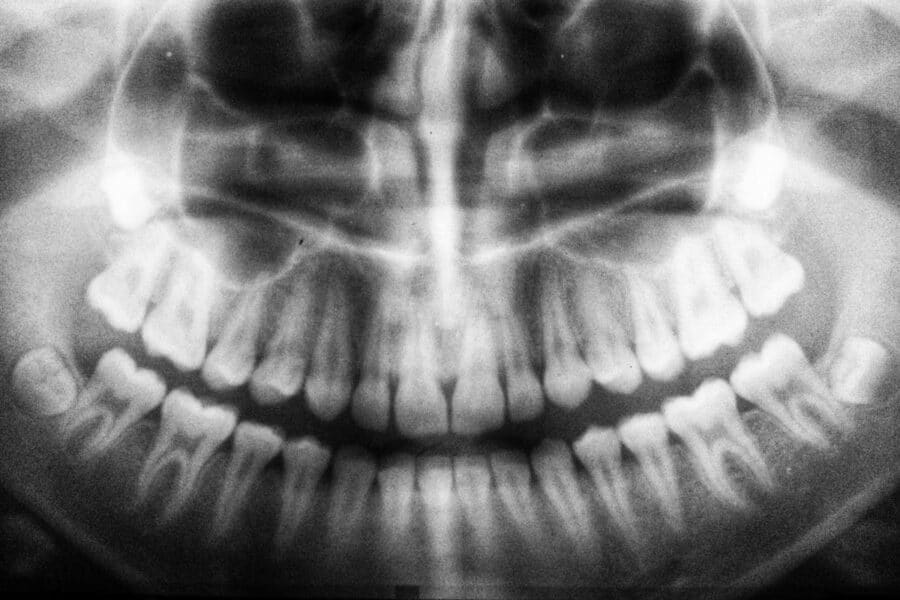
An experienced dentist should be able to explain why they recommend action now or why watchful waiting makes sense. They should also be comfortable showing you the area on an X-ray, intraoral photo, or mirror and describing what they see in plain language.
Patients often remember this moment because it shapes trust. I have seen people leave one office feeling rushed into several fillings they barely understood, then seek a second opinion simply because nobody took two extra minutes to explain the diagnosis. I have also seen the opposite, where a patient delayed treatment on a tooth that looked small on film but had active decay that spread deeper over the next year. The goal is not to find the most conservative office or the most aggressive one. It is to find a dentist whose clinical judgment is clear, defensible, and well communicated.
What does a first visit include?
A new patient appointment can reveal a lot before any treatment begins. Ask what happens during that first visit.
A thorough new patient exam often includes a review of medical history, current symptoms, oral cancer screening, gum evaluation, X-rays if appropriate, and time with the dentist to discuss findings and options. In some practices, the cleaning happens at the same first appointment if time and clinical conditions allow. In others, especially when significant buildup or gum issues are present, the office separates the evaluation from hygiene treatment.
That is not necessarily a red flag. Sometimes it reflects a more careful process. But it is worth asking so you know what to expect.
You can also ask how much time is reserved for new patients. Fifteen or twenty rushed minutes may not leave much room for questions, especially if you have not seen a dentist in a while. A more generous appointment block often signals that the office values assessment and conversation, not just patient throughput.
How are treatment recommendations explained?
The quality of a dental office often shows up in the explanation, not just the procedure itself. A filling, crown, or deep cleaning is one thing. Understanding why it is needed, what alternatives exist, what it costs, and what happens https://elliotjvhw404.readspirex.com/posts/why-you-should-build-a-relationship-with-a-general-dentist-in-santa-clarita-ca if you wait is something else.
A strong practice can explain treatment in language that is direct but not alarming. If they use clinical terms, they should translate them. If there are options, they should describe the trade-offs honestly. If timing matters, they should tell you why.
These are the kinds of questions worth asking before you schedule major care:
- How do you explain treatment options to patients who want time to think?
- Do you use photos or X-rays during consultations?
- Will I receive a written treatment plan with estimated costs?
- How do you handle second opinions or questions after the visit?
- If treatment is not urgent, can it be phased over time?
An office that welcomes these questions usually has little to hide. An office that becomes defensive or vague may be harder to work with later, especially when the treatment plan becomes more complex.
What are the office policies around cost and insurance?
Money is one of the biggest sources of frustration in dentistry, usually because expectations were never clear at the start. The smart move is to ask practical financial questions early, without embarrassment. A professional office should be prepared for that conversation.
If you have insurance, ask whether the practice is in network with your plan, but do not stop there. "We take your insurance" can mean many things. It may mean they are contracted in network, or it may simply mean they will submit claims as an out-of-network provider. Those are very different situations financially.
Also ask how estimates are prepared. Dental offices can usually give a good-faith estimate based on your benefits, but they cannot always guarantee exactly what the insurer will pay. Annual maximums, frequency limits, waiting periods, and missing tooth clauses can all affect coverage. Good offices explain those limits upfront instead of treating the final bill as a surprise.
If you do not have insurance, ask whether the office offers membership plans, prompt-pay discounts, or staged treatment options. Many patients assume quality care is out of reach if they are uninsured. Sometimes there is more flexibility than they expect, but you will only know if you ask directly.
What happens in an emergency?
This is one of the most overlooked questions, and one of the most useful. Most people do not think much about emergency access until they crack a molar on a Friday evening or wake up with swelling before a work trip.
Ask how the office handles urgent problems for established patients. Can they usually offer same-day or next-day evaluation for pain, a broken tooth, or a lost filling? Is there an after-hours number? Do they triage over the phone? If the dentist is unavailable, is there coverage?
You are not looking for a promise that every emergency will be fixed instantly. Some situations need referral, imaging, medication, or temporary stabilization before definitive treatment. What matters is whether the practice has a system and communicates it clearly.
In a place as active and family-oriented as Santa Clarita, where schedules are often packed with commuting, school, sports, and work, emergency responsiveness carries extra weight. Patients who already know how their general dentist Santa Clarita CA office handles urgent care tend to navigate those moments with far less stress.
How does the office manage patient anxiety?
A surprising number of adults delay dental care because of fear, shame, or past negative experiences. Not everyone says that upfront. Sometimes it shows up as canceled appointments, short answers, or hesitation when treatment is discussed.
A good office does not treat anxiety as unusual or inconvenient. They expect it, and they know how to respond. Ask what they do for nervous patients. Some practices build in extra time. Some explain each step before starting. Some use comfort aids, topical anesthetic carefully, nitrous oxide when appropriate, or stop signals so patients feel more in control.
Listen to how the staff answers, not just what they say. Tone matters. If the front desk sounds impatient on the phone, that attitude may carry into the visit. If they respond with calm familiarity, that is often a good sign.
I have known patients who chose a practice not because it had the newest décor or the shortest drive, but because the hygienist spoke to them like a person instead of a problem. That kind of care changes behavior. It gets people back into regular maintenance, which is where the real long-term benefit lies.
Is the office modern in ways that actually improve care?
Patients are often impressed by technology, and some of it is genuinely useful. Digital X-rays, intraoral cameras, electronic records, and modern sterilization systems can make diagnosis more efficient and communication clearer. Online scheduling and text reminders can also make life easier.
Still, technology should support good care, not substitute for it. A beautifully marketed office full of gadgets is not necessarily better than a well-run traditional practice with excellent diagnostic habits and strong patient relationships.
A better question is how the office uses its tools. Do digital images help the dentist explain what they are seeing? Does the charting seem organized? Are records accessible if another provider in the practice needs to review your case? Is sterilization discussed confidently and matter-of-factly when asked?
Patients do not need to become experts in dental equipment. They just need to distinguish between useful systems and sales theater.
How stable is the team?
Long-term staff is often a quiet sign of a healthy practice. It is not a guarantee of excellence, but it usually reflects decent systems, good leadership, and a workplace where people know what they are doing.
If an office has constant turnover, patients feel it. Phone calls are less consistent. Insurance questions get muddled. Clinical handoffs become clunky. Familiar faces disappear, and details fall through cracks.
You can ask how long the dentist has been in the community and whether key team members have been with the office for a while. Many patients are surprised by how much they care about this once they have had a positive relationship with a hygienist or front office coordinator. Continuity smooths out the whole experience.
For families, this is especially important. Children often do better when the environment feels familiar. Older adults and caregivers also benefit from a team that remembers medical issues, mobility concerns, and communication preferences without needing to be reminded every visit.
What do reviews tell you, and what do they miss?
Online reviews can be helpful, but they need interpretation. A five-star average does not necessarily mean an office is clinically outstanding. It may simply mean the parking is easy, the lobby is attractive, and the receptionist is friendly. Those things count, but they are not the same as excellent dentistry.
Look for patterns in reviews rather than isolated praise or complaints. Are people repeatedly mentioning that treatment was explained clearly? That the office is punctual? That billing was transparent? Those comments often point to real operational strengths. On the other hand, multiple remarks about pressure, long waits, surprise charges, or difficulty getting follow-up care deserve attention.
Be cautious with extremes. A single angry review may reflect a personality clash or insurance misunderstanding. A long string of nearly identical glowing reviews can feel curated. Reviews are clues, not verdicts.
That is why a short phone call and an initial exam are still worth more than hours of scrolling.
Does the dentist communicate with respect?
This is harder to measure online, but easy to notice in person. Good communication is not just friendliness. It is respect expressed through clarity, listening, and restraint.
A dentist who interrupts constantly, talks over your concerns, or responds dismissively to questions may be technically competent and still be the wrong fit. Dentistry requires trust. If you feel pressured or belittled, you are less likely to ask questions, less likely to return, and more likely to postpone important care.
Respect also shows up in how the practice handles uncertainty. Sometimes a toothache is not straightforward. Sometimes a cracked tooth may need monitoring before the picture is fully clear. Sometimes gum inflammation reflects home care habits, medication effects, or mouth breathing rather than one single cause. Thoughtful dentists can say, "Here is what I see, here is what I suspect, and here is how I want to proceed." That kind of honesty is far more reassuring than false certainty.
Ask about referral philosophy
Even the best general dentists do not do everything in-house, and they should not. A practice’s referral habits can tell you a lot about clinical judgment.
Ask when the dentist refers patients to specialists such as endodontists, periodontists, oral surgeons, or orthodontists. A confident general dentist understands both their strengths and their limits. They know which procedures they manage routinely and when a specialist can offer better outcomes.
This matters because patients sometimes assume fewer referrals means greater skill. Not always. Sometimes it means a dentist is stretching beyond what is ideal. Other times, a dentist may refer more readily because they want the best specialist support for complex cases. Context matters.
If you already have a complicated history, such as implants, prior root canals, gum disease, or bite-related wear, the office should be able to explain how they coordinate care with specialists when needed.
A few practical questions that often save trouble later
There are also small logistical questions that do not sound exciting but make a real difference once you become a patient.
- What is your cancellation or missed appointment policy?
- How far in advance are routine hygiene visits booked?
- Can family members be scheduled back-to-back?
- What forms can I complete before arriving?
- How do you communicate reminders and follow-up instructions?
These details shape the day-to-day experience. An excellent dentist in an office with chaotic scheduling can still be frustrating. On the other hand, a well-organized practice reduces friction, and that makes it easier to keep up with care consistently.
When a second opinion makes sense
If a new office recommends a large amount of treatment at your first visit, it is reasonable to pause and ask questions. That does not automatically mean the diagnosis is wrong. You may simply have untreated problems that have built up over time. But if the plan feels surprisingly extensive, expensive, or urgent, a second opinion can be wise.
The key is not to frame it as mistrust. It is simply due diligence, especially when crowns, root canals, extractions, or periodontal therapy are involved. A reputable practice should not be offended by that. In fact, confidence and professionalism usually show up in how calmly they respond when a patient wants more time or another perspective.
Second opinions are most useful when you bring records if available and ask specific questions. What is the diagnosis? What happens if treatment is delayed? Are there lower-cost or less invasive alternatives? Is the order of treatment important? Those questions often reveal whether two plans truly conflict or merely reflect different approaches.
The best choice usually feels clear for practical reasons
Patients often expect a dramatic aha moment when they find the right dentist. More often, the right choice feels steady rather than dramatic. The office answers the phone well. The staff seems organized. The dentist listens. Explanations make sense. Costs are discussed plainly. You do not feel sold to, talked down to, or rushed out the door.
That is usually what you want from a general dental home.
Finding the right general dentist Santa Clarita CA practice is less about discovering a perfect office and more about identifying one that combines sound clinical judgment, transparent communication, reliable systems, and a style of care that fits your life. Ask a few smart questions before you schedule. Pay attention to how the team responds. The answers will tell you far more than branding ever could.
Smyle Dental Newhall
Address: 23754 Newhall Ave, Santa Clarita, CA 91321
Phone number: +16612559200
FAQ About General dentist Santa Clarita CA
What does it mean by general dentist?
A general dentist is your primary dental care provider. They focus on the overall prevention, diagnosis, and treatment of your daily oral health needs. Think of them as your primary care doctor, but for your teeth and gums.
What is the difference between a dentist and a general dentist?
A dentist is a broad professional title for any licensed oral healthcare provider, while a general dentist is a specific type of primary care dentist who focuses on routine, preventive, and everyday treatments.
What is the difference between a dentistry practitioner and a dentist?
A dentist is a licensed doctoral-level healthcare professional, whereas a dental practitioner is a broader umbrella term that can include dentists as well as other trained oral health professionals.